




Bring that perfect color to a room all on your own
Use this painting advice to quickly and easily transform a room than with a fresh coat of paint. When you’re finished, there’s nothing better than the pride and satisfaction that comes along with a job well done.
How to Paint a Room
#1: Prepping the RoomHow to Paint a Room
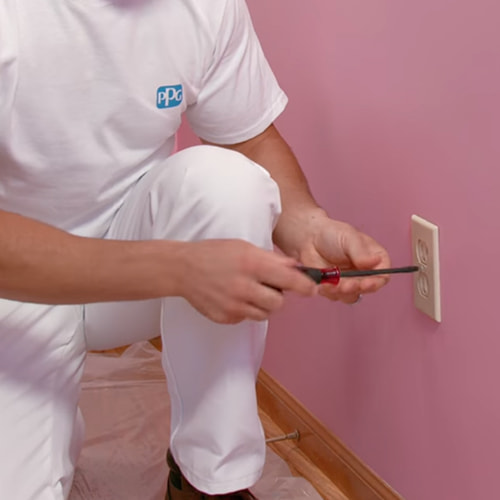
When it comes to learning how to paint a room, finding the right paint and paint color are your first big steps - but then comes prep. After you've found the right paint color, start by removing artwork and window coverings, along with wall plates and light switch covers, keeping the screws with them.
Clear as much movable furniture as possible so you can navigate the space easily and avoid any potential spills or accidents.
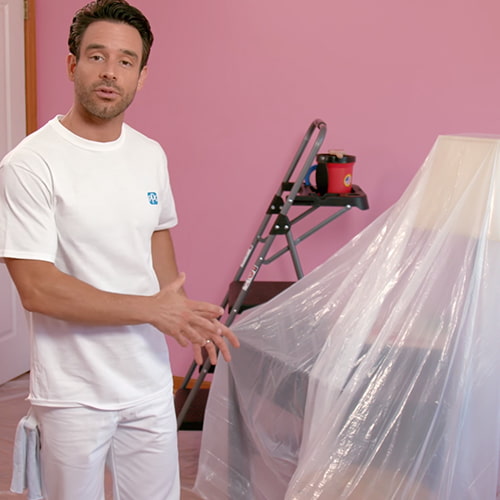
Move the rest of your items to the middle of the room so there’s enough space for a ladder all the way around the space. Cover the pieces in the middle of your room with drop cloths or plastic.
#2: Prepping the WallsHow To Paint A Room
Clean your walls with a mild detergent, then rinse them gently to clean off any dirt or debris.
Allow the walls to dry.
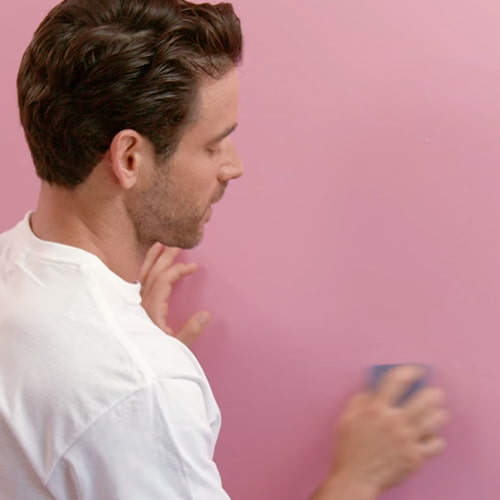
Patch holes and imperfections with lightweight, shrink-free spackle and sand* after the areas dry.
Gently clean the sanded areas to remove dust.
*WARNING! If you scrape, sand, or remove old paint, you may release lead dust or fumes. LEAD IS TOXIC. EXPOSURE TO LEAD DUST OR FUMES CAN CAUSE SERIOUS ILLNESS, SUCH AS BRAIN DAMAGE, ESPECIALLY IN CHILDREN. PREGNANT WOMEN SHOULD ALSO AVOID EXPOSURE. Wear a properly fitted NIOSH-approved respirator and prevent skin contact to control lead exposure. Clean up carefully with a HEPA vacuum and a wet mop. Before you start, find out how to protect yourself and your family by contacting the USEPA National Lead Information Hotline at 1-800-424-LEAD or log on to www.epa.gov/lead.

#4: Tape TimeHow To Paint A Room
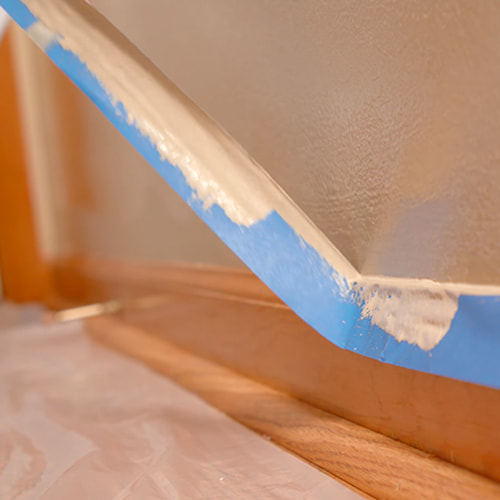
Use 1½ or 2-inch painter's tape to mask the baseboards, trim and other areas you are not painting.
Secure the tape firmly so it doesn’t peel or allow paint to bleed through.
Note: If you use painter's tape, be sure to remove it as soon as possible after the walls are painted, before the paint is completely dry. Otherwise, you may need to gently score the edge where it meets the wall before removing the tape.
#5: Get to the PaintingHow To Paint A Room
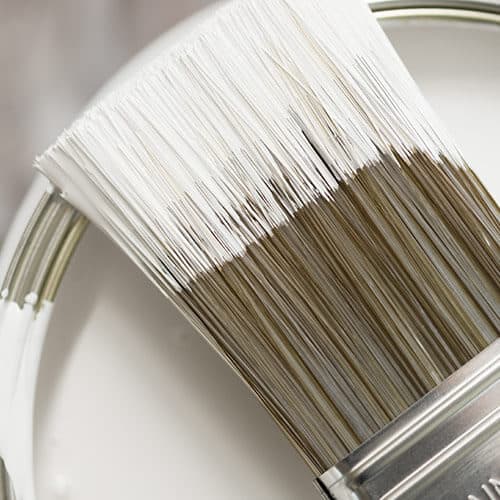
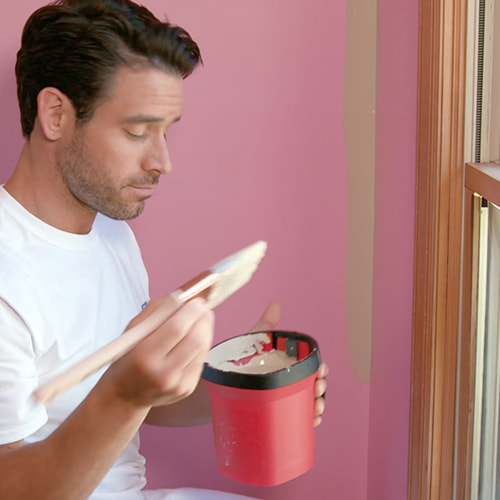
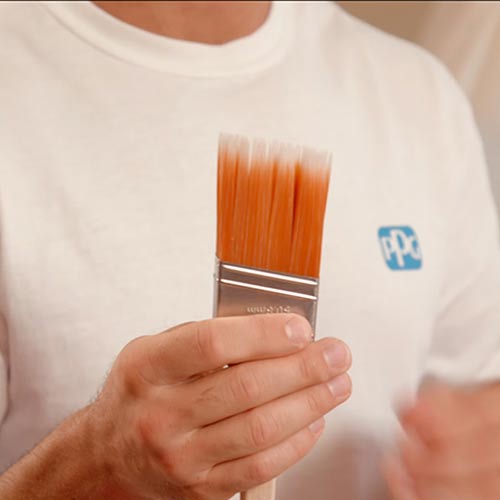
Use a 2-inch angled paint brush along the edges of the walls to begin. Work from a small bucket of paint, holding the brush like a pen.
Start in edges or corners of the room that will be difficult to reach with a roller.
Be sure to paint your ceiling first if your project includes the ceiling.
Please refer to the Product Label, Technical Data Sheet (TDS) or Safety Data Sheet (SDS) for safety and detailed application instructions.
#6: Roll it OnHow To Paint A Room
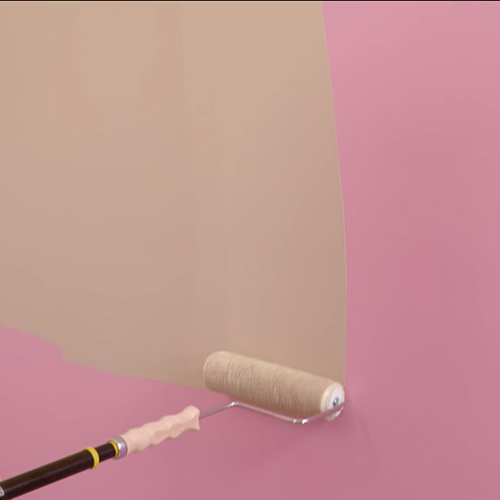
Once you finish brushing in hard-to-reach detailed areas, you can begin using a roller.
Put enough paint in your tray to cover your roller. However, don’t soak the roller and remember to roll any excess paint off your roller to avoid splashing.
Roll your paint on in a “W” pattern starting in the upper left corner of the wall.
When you start hearing a noise like tape pulling off of the wall, re-load your roller.
Work in relatively small areas from the top to the bottom. When the area is filled, do light strokes down the wall.
To avoid visible roller lines continue your final stroke all the way down the wall.
#7: Finishing TouchesHow To Paint A Room
Next, use an angled sash trim brush to paint trim and doors.
The angled brush allows you to reach corners easier while keeping your lines straight.
Be careful not to run paint into the walls that you’ve already finished.
#8: Clean upHow To Paint A Room
To make sure you don’t peel off any dry paint, remove the painter's tape while the paint is still wet. However, don’t remove the tape if you are still painting an area or object nearby.
After all of the surfaces have been covered and given enough time to dry, remove all of the painting supplies and tools from the room.
Now, you can rearrange your furniture and start enjoying your freshly painted room.